Why you should check tire pressure regularly
Tire pressure is the cheapest fix in the book. The right number on the door placard buys you safety, fuel economy, and tire life.
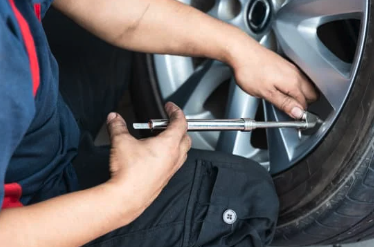
Tire pressure is the cheapest fix in the book. Two minutes with a gauge buys you safety, fuel economy, and a longer life out of every tire on the vehicle. Most drivers only think about it when the warning light pops on, which is already too late.
Why pressure matters
Tire pressure is what controls how much rubber actually touches the road. When it is wrong, three things change at once.
Safety
Underinflated tires hurt grip and stretch out stopping distances. Overinflated tires reduce the contact patch and make the steering feel jumpy, especially on cold pavement. Wet roads and packed snow are not the place to find out either way.
Fuel economy
Soft tires roll harder. Even a few PSI low across all four tires costs you measurable miles per gallon. It adds up fast on a daily commute.
Tire life
Wrong pressure wears the tire unevenly. Underinflated tires chew up the outside edges. Overinflated tires wear the center. Either way you replace tires sooner than you should.
How often to check
- Once a month, minimum.
- Before any long drive.
- Every time the seasons change. Cold weather drops pressure. Hot weather raises it.
The right number
Use the number on the door placard, not the maximum number printed on the sidewall. The placard is the manufacturer spec for the actual vehicle and load. Stick with it.
What we do
On every oil change we check all four tires and the spare, set the pressures to the placard, and tell you if any tire is dropping faster than the others. If we see uneven wear we will point it out and suggest a rotation or a shop visit.